



Here is a scenario that plays out across Texas every spring: temperatures climb into the upper 80s for the first time, you flip the AC on, and everything seems fine. A few weeks later, your prepaid electricity balance is draining twice as fast as you expected, and you cannot figure out why.
The culprit is almost always the same. The AC system spent months sitting idle, collecting dust—literally—and now it is working harder than it needs to because of problems you can fix in ten minutes. This checklist walks you through the essentials, with a specific focus on what you can do as a renter without calling your landlord or spending more than twenty dollars
Step 1: Replace Your Air Filter
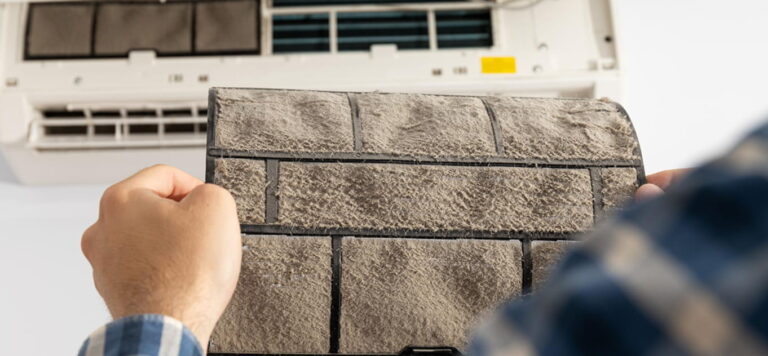
This is the single highest-impact thing you can do, and it takes about two minutes. A clogged air filter forces your AC to work harder to push air through the system, which means it runs longer and uses more electricity. The Department of Energy estimates that replacing a dirty filter can lower your air conditioner’s energy consumption by 5 to 15 percent.
For most Texas apartments, you want a standard 1-inch filter rated between MERV 8 and MERV 11. Avoid going higher than MERV 13 unless your system specifically supports it—overly restrictive filters can actually reduce airflow in older units and make things worse. Filters cost between four and eight dollars at most hardware stores, and you should plan to replace them every 30 to 60 days during the summer months when your AC runs constantly.
Step 2: Clear the Area Around Your Outdoor Unit
If you have access to an outdoor condenser unit (common in townhomes and some apartment complexes), take a few minutes to remove any debris that accumulated since fall. Leaves, dirt, mulch, and even trash bags leaned against the unit restrict airflow and reduce efficiency. Keep at least two feet of clearance on all sides.
If you do not have direct access to the outdoor unit, this is a reasonable thing to mention to your property manager. A simple request like “Can maintenance clear the condenser for the building before summer?” costs them nothing and benefits everyone.
Step 3: Check Your Door and Window Seals
The dollar-bill test is the simplest way to check whether your doors and windows are letting cooled air escape. Close a dollar bill in the door or window. If you can pull it out easily, the seal is not tight enough, and your AC is fighting a losing battle against air leaks.
For renters, the easiest fix is adhesive weatherstripping from any hardware store. A roll costs under ten dollars and takes about fifteen minutes to apply around a standard door frame. West-facing and south-facing windows are the highest priority, since they take the most direct sun during the hottest part of the day.
Step 4: Set Your Thermostat Strategically
The Department of Energy recommends setting your thermostat to 78 degrees when you are home and 82 to 85 degrees when you are away. Every degree below 78 increases your cooling costs by roughly 3 to 5 percent. That adds up fast on a prepaid plan where you can see every dollar leave your account in real time.
If you are on Now Power’s Free Nights plan, your thermostat strategy should account for the plan’s rate structure. From 9 p.m. to 5:59 a.m., the energy charge drops to zero (transmission and delivery charges from your local utility still apply). Run your AC harder overnight, cooling your home down to 72 or 73 degrees. Then let it rise gradually during the day, with a cap at 78 to 80 degrees. Your home acts like a battery: charge it with cool air at night during free energy hours, and discharge slowly during the more expensive daytime hours.
Step 5: Reverse Your Ceiling Fans
Most ceiling fans have a small switch on the motor housing that changes the blade direction. In summer, the fan should spin counterclockwise when viewed from below, pushing air straight down and creating a wind-chill effect. This allows you to raise your thermostat by 2 to 4 degrees without feeling any warmer.
A ceiling fan costs about one cent per hour to run. An air conditioner costs roughly twenty to forty cents per hour. Letting the fan handle some of the comfort work while the AC cycles less frequently is one of the simplest trades you can make.
What to Ask Your Landlord Before Summer
Renters often assume they cannot do anything about their HVAC system, but a quick conversation with your property manager before peak season can save you real money. Consider asking when the unit was last professionally serviced, whether the ductwork has been inspected for leaks, and whether the property provides filters or expects you to purchase your own.
Most landlords are motivated to keep HVAC systems running efficiently because repair calls during a Texas summer are expensive and frequent. Framing the conversation around prevention rather than complaint tends to get a faster response.
Start Summer on Your Terms
None of these steps require a service call, special tools, or more than a few minutes of your time. Together, they can meaningfully reduce how hard your air conditioner works and how fast your prepaid balance drains. Pair these habits with a plan like Now Power’s Free Nights—which gives you free energy from 9 p.m. to 5:59 a.m. (with transmission and delivery charges still applying)—and you have a summer strategy that actually works for your budget.
Frequently Asked Questions
1. How often should I change my air filter in a Texas apartment?
During summer months when your AC runs most of the day, you should change your air filter every 30 to 60 days. A dirty filter can increase energy consumption by 5 to 15 percent.
2.What thermostat setting saves the most money in Texas summer?
The Department of Energy recommends 78 degrees when you are home and 82 to 85 degrees when you are away. Each degree below 78 can increase cooling costs by 3 to 5 percent.
3.Can I do AC maintenance in a rental apartment?
Yes. Renters can replace air filters, apply weatherstripping to doors and windows, reverse ceiling fans, and clear debris from accessible outdoor condenser units—all without modifying the property.
4. How does a Free Nights plan change my AC strategy?
On a Free Nights plan, energy is free from 9 p.m. to 5:59 a.m. (transmission and delivery charges still apply). Cool your home aggressively overnight and let the temperature rise gradually during the day, using your home as thermal storage to reduce daytime costs.
5.Which direction should my ceiling fan spin in summer?
Counterclockwise when viewed from below. This pushes air downward and creates a wind-chill effect, allowing you to raise your thermostat by 2 to 4 degrees without feeling warmer.